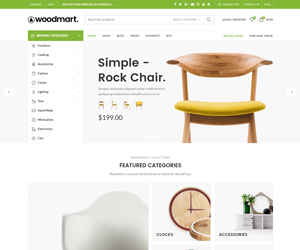



In a fiercely competitive digital marketplace, utilizing the right e-commerce tools can make all the difference. From product catalogue optimisation to understanding customer behavior through customer journey analysis, each tool provides unique insights crucial for enhancing the overall shopping experience. This article explores a range of essential e-commerce tools, focusing on crucial aspects like conversion rate optimisation, retail analytics, and more.
E-commerce tools are specialized software and applications that help businesses manage various aspects of their online stores. These tools can streamline operations, improve user experiences, and ultimately drive more sales. Key functionalities include managing inventory, optimizing product listings, and analyzing customer data.
A well-organized product catalogue is paramount for any successful e-commerce operation. Optimising your catalogue involves ensuring that product descriptions are clear, pricing is competitive, and images are high-quality. Tools like dynamic pricing strategies and AI technologies can aid in maintaining a competitive edge by automatically adjusting prices based on market trends and demand.
Utilizing effective category management tools will enhance navigation and help customers quickly find the products they desire. This not only reduces bounce rates, but also enhances conversion rates. Comprehensive analytics integrated with your catalogue can reveal which products are performing well and which need reevaluation.
Conversion rate optimization (CRO) is essential for maximizing sales. By systematically testing and adjusting elements on your e-commerce site, you can significantly increase the percentage of visitors who complete a desired action, such as making a purchase or signing up for a newsletter. Tools that allow A/B testing and visitor tracking are invaluable in this process.
Furthermore, leveraging AI-generated product reviews can enhance customer trust and consequently boost conversion rates. Positive reviews generated by AI analyze customer sentiment and provide genuine feedback that can influence potential buyers. Implementing enhancements based on user feedback ensures that your e-commerce platform evolves alongside your customers’ needs.
Understanding the customer journey is critical to tailoring personalized marketing strategies. Tools that offer retail analytics provide insight into how customers interact with your website, allowing you to identify pain points and opportune moments for engagement. Utilizing these insights, you can refine your marketing strategies to better meet customer expectations.
Visualizing the customer journey through mapping tools allows you to see every stage your customers go through—from awareness to purchase. This comprehensive understanding enables businesses to craft targeted campaigns, resulting in higher conversion rates and customer satisfaction.
Dynamic pricing strategies leverage algorithms to adjust prices in real-time based on various factors, such as competitor pricing, demand fluctuations, and time-based strategies. Implementing dynamic pricing can optimize profit margins and ensure competitive positioning in the market.
Using tools that track market data, businesses can remain agile and responsive, adjusting pricing to maximize sales opportunities while retaining customer loyalty. Accessible insight into customer behavior further informs pricing strategies, taking into consideration when and how often customers shop.
In conclusion, leveraging the right e-commerce tools is not merely beneficial; it is essential for survival in today’s market. From optimising your product catalogue to analyzing customer journey data, each tool contributes to a successful strategy tailored to meet user needs effectively. As the e-commerce landscape continues to evolve, so too should the tools we use to enhance our businesses.
No account yet?
Create an Account